Cheap smokes, expensive lesson: why taxing cigarettes harder is not working
First in a three-part series on what we found inside South Africa’s spaza shops
When we ran our national spaza shop study in 2017 and 2018, we bought cigarettes. Not for research atmosphere, but because price is evidence. Our researchers made loose-draw purchases at 577 outlets across all nine provinces, and we compared what we paid with what the tax alone should have cost.
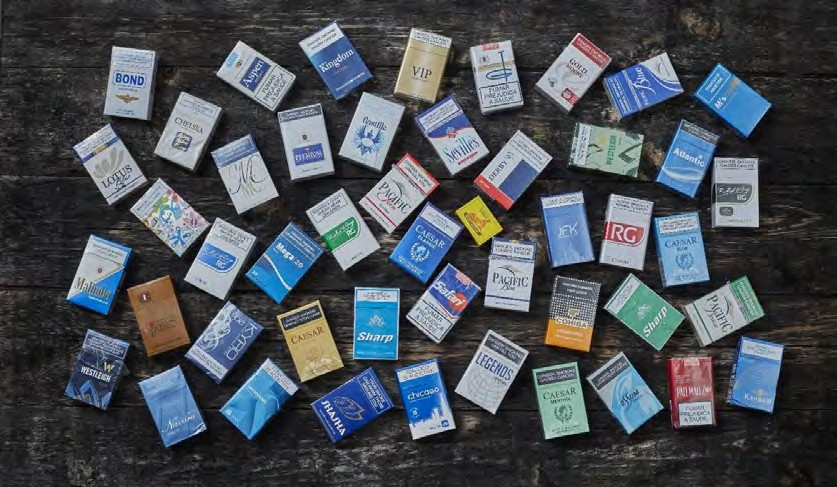
At the time, the excise and VAT on a pack of 20 came to R16.45, or about 85c a stick. Anything cheaper could not be legal. About 52% of the cigarettes we bought were priced below that line. Among the larger, networked shops we call informalists, those with employees and wholesale connections, 78% were selling contraband. South African-run shops had the least access to these supply lines, at 36%, but they were in the trade too. We bought wholesale cartons openly: R60 in Limpopo, R58 in the Free State, R45 in Cape Town. That last one worked out at 23c a stick, roughly a quarter of the tax due on it.
Two things struck us then and still do. First, most shop assistants selling these cigarettes did not appear to know they were illegal. Second, survivalist shopkeepers told us they could not get hold of cheap cigarettes at all. You need contacts and capital to buy contraband wholesale. The trade rewards the networks, not the poor.
What has happened since
Everything we documented has got worse, and the state’s main instrument has been the same one throughout: put the tax up.
The most careful independent work comes from the University of Cape Town, which has tracked the illicit share from around 5% of the market in 2009 to a peak of about 60% in 2021. Industry figures now put it near three-quarters. Annual losses to the fiscus are estimated at somewhere between R18 billion and R28 billion, and SARS has pointed to about R40 billion in total excise leakage. A mystery-shopper survey found 76.7% of retailers selling below the minimum collectable tax in 2025, against 27.4% in 2022.
Meanwhile the tax kept climbing. Excise on a pack rose again in the February 2026 budget, from R22.81 to R23.58 from 1 April. With VAT on the excise, that is roughly R27 in tax before anyone has grown, manufactured, transported or sold anything. In the townships where we work, packs sell for R10 to R20. In January 2026, British American Tobacco announced it would close its Heidelberg plant after seventy years.
Here is the part that should trouble anyone who still believes higher tax will fix this. Between 2010 and 2021, when illicit trade was climbing fastest, excise was rising by only about 2% a year. UCT’s researchers are explicit about the cause: the problem is weak control of the supply chain, not tax rates driving consumers to seek cheaper alternatives. The collapse of SARS’s enforcement capacity after 2014, and then South Africa’s 2020 retail sales ban during the COVID pandemic handed this market directly to people who were already set up to service it.
Below: Cigarette brands retailed in township spaza shops and purchased by the authors below minimum taxable price….
The Australian mirror
One of us now lives in Australia, which is running the same experiment with far more money and far better institutions, and getting the same result faster.
A pack there costs around A$40. More than half the tobacco Australians consumed last year was bought illegally, and once vapes and pouches are counted the black-market share reaches about 80%. A decade ago illegal cigarettes were about 10% of sales. Tobacco excise revenue peaked near A$16 billion in 2019–20 and has fallen to roughly A$7–8 billion, with A$8 billion wiped off forecasts in the last budget. Evasion is now put at between A$7.7 and A$11.8 billion a year.
The violence has followed the money. Victoria has seen about 125 firebombings of tobacco shops in two years, with another fifty or so in other states, and the conflict has spread into bars and restaurants. Commonwealth support to the states to deal with all this amounted to A$40 million over two years. In September 2026, the federal opposition proposed cutting tobacco excise by 80%.
Two countries, very different tax administrations, same outcome: a shrinking legal market, a growing criminal one, falling revenue and rising violence. South Africa got there first and the world barely noticed.
What our fieldwork suggests instead
We are not arguing for cheap cigarettes, and we are not arguing that tobacco should be untaxed. We are arguing that the tax rate is the wrong lever to keep pulling when the supply chain is not controlled. A higher rate on a market where three-quarters of the product never pays it simply widens the gap that the illegal trade lives in.
Our study pointed to three things, and we would say the same today. Start at the apex, not the counter. The shopkeeper selling a 30c stick is the last and smallest link; the manufacturers, importers and wholesalers are where the volumes and the money sit, and they are identifiable. Secure the supply chain with production-level controls, so that what is made is what is declared. And license cigarette retailers individually, as liquor outlets are licensed, with supply chains monitored, so that retailers know what they are selling and can be held to it.
Raids on spaza shops make good television. They will not recover R28 billion.
Coming next in this series
The cigarettes were only one of the things we bought. In an upcoming post we look at counterfeit groceries, the shampoo, spices and soap that consumers in townships buy believing they are getting the real thing. In a third in this series, we turn to the labour behind the counter: shop assistants working eighty-hour weeks, sleeping in storerooms, and in many cases without their own passports.
A few notes on the post:
On the data. The historical share figures come from UCT’s tracking of the illicit market, which grew from under 10% before 2010 to more than 55% in 2020 and after, and their 2021 Global Adult Tobacco Survey work putting roughly 60% of cigarettes sold that year as illegal. The three-in-four industry estimate, the R26.22 excise requirement and the R18–28 billion loss range are industry figures. The 76.7% versus 27.4% retailer comparison comes from an Ipsos survey commissioned by BAT.
Australia. The figures are from the ABC, the Home Affairs minister’s own symposium speech and the Coalition’s policy announcement, spanning the political spectrum.
*Illicit cigarettes make up more than half the market | Econ3x3 +4